Wet Carpet After Flooding In Townsville? What To Do Before It's Ruined
If your carpet is wet right now — from a storm, burst pipe, overflowing drain or monsoon run-off — the next few hours matter more than most people realise. Carpet cleaning in Townsville after a flood event is not the same as a standard clean. It is a time-sensitive restoration process, and whether your carpet can be saved often comes down to how quickly professional help arrives. This guide covers what actually happens to carpet after water damage, how Townsville's tropical climate changes the timeline, and what to do right now.
Can Water-Damaged Carpet Be Saved?
For water-damaged carpet in Townsville, the type of water involved and how quickly extraction begins are the two most important factors in determining whether restoration is viable. Clean water from a burst pipe or rainwater run-off gives the best chance of full restoration. Contaminated water from sewage backflow, storm drain overflow or floodwater carrying debris introduces bacteria and pathogens that complicate restoration considerably and in some cases make replacement the safer outcome.
Carpet construction also plays a role. Wool and quality synthetic carpets generally respond better to professional restoration than cheaper loop-pile or foam-backed carpets, which can delaminate when saturated. The underlay beneath the carpet is almost always beyond saving once fully soaked and typically needs to be replaced regardless of what happens to the carpet above it.
How Townsville's Tropical Climate Changes the Timeline
Mould develops in saturated carpet faster than most people expect — and significantly faster than in a cooler, drier climate. Townsville's tropical humidity creates near-ideal conditions for mould growth in wet materials. In the wet season, when indoor humidity is already elevated before flooding even occurs, mould can begin developing in saturated carpet within 24 to 48 hours of the water event.
This is not a worst-case estimate. It is the realistic window that shapes how urgently extraction needs to happen in this region. A carpet left wet for two or three days in a Townsville summer is almost certainly harbouring mould growth. Townsville's humidity does not just slow the drying process — it actively works against it. Our guide on beating dust, allergens and humidity in your carpets covers how humidity affects carpet condition year-round, but in a flood situation the same principles apply at an accelerated rate.
What to Do Immediately While You Wait for Help
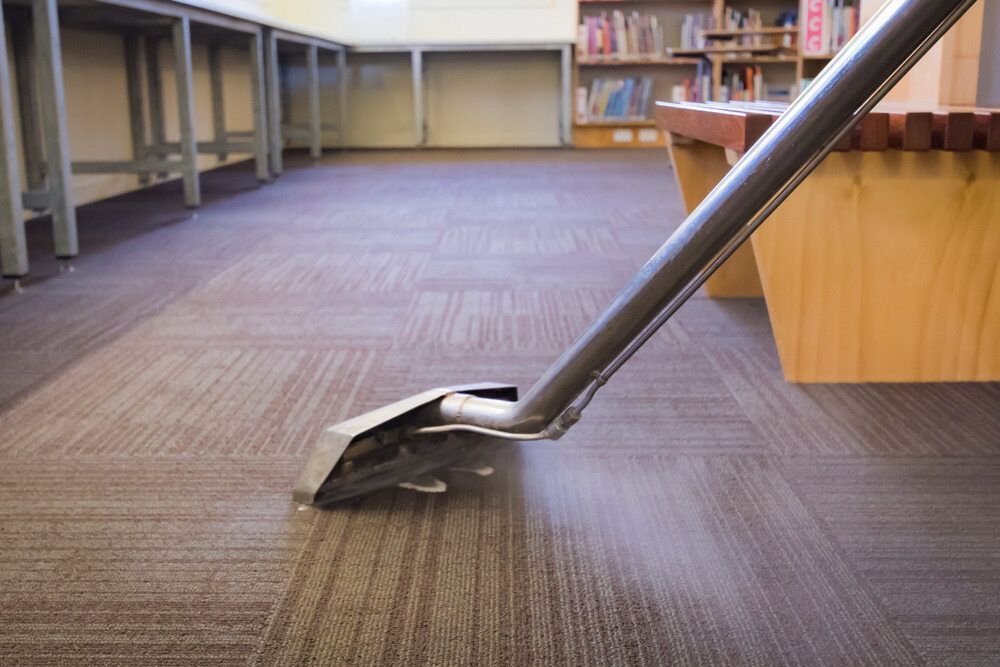
Carpet water extraction is the single most time-critical step in the entire process, and the difference between industrial extraction equipment and a household vacuum is significant. Before the professionals arrive, a few steps can reduce the damage. Remove as much furniture from the wet area as possible to prevent staining and rust transfer from metal furniture legs onto the carpet. If you have a wet/dry vacuum, use it to remove surface water — it will not extract moisture from the backing, but it reduces the volume of standing water the professional extraction equipment has to work against.
Do not walk through the wet area unnecessarily, as foot traffic grinds contaminants deeper into the fibres. If the water source is contaminated — sewage, storm drain overflow or floodwater — avoid contact where possible and keep children and pets out of the area until professional cleaning and sanitisation is complete.
DIY Drying vs Professional Water Damage Restoration
When it comes to wet carpet drying in Townsville, the humidity fundamentally changes what is achievable with household equipment versus professional industrial gear. Opening windows and running a household fan over wet carpet pushes air across the surface but does not extract water that has penetrated into the backing, the underlay and the subfloor beneath. That moisture sits and stagnates even as the top of the carpet feels dry to the touch.
Professional restoration uses industrial extraction equipment to pull water out of the carpet and backing mechanically, followed by dehumidification equipment that reduces ambient humidity and allows residual moisture to move out of the carpet. For carpets that are simply dirty rather than flooded, a standard
carpet steam cleaning is a different service entirely and does not involve this process.
The Flood and Water Damage Restoration Process
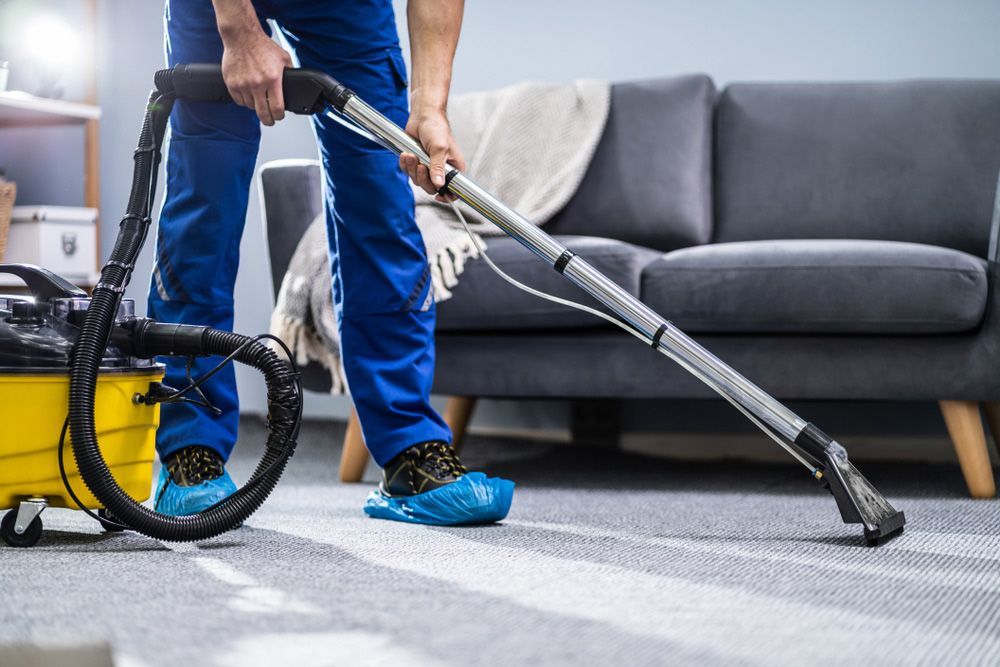
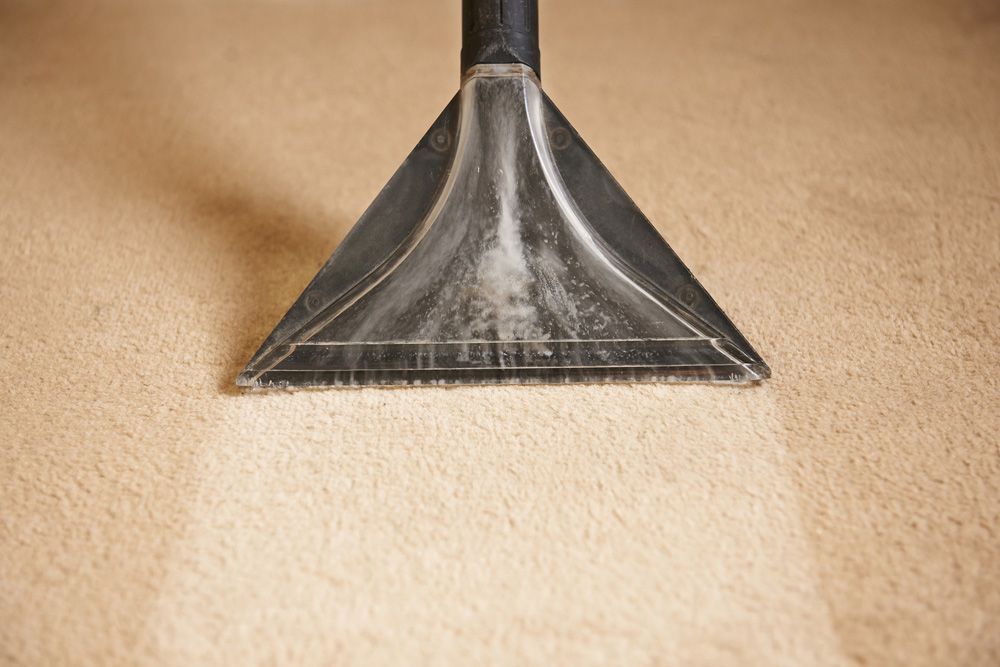
Flood carpet cleaning goes well beyond standard cleaning — it is a sequential restoration process that must address moisture at every layer, not just the surface. Water extraction comes first and is the most time-critical step, with industrial equipment removing standing water and drawing moisture out of the carpet fibres and backing as thoroughly as possible.
Assessment and carpet lifting follows. The carpet is inspected for the extent of saturation, the condition of the backing and whether restoration is viable. In most cases the underlay needs to be removed and replaced. If the subfloor is timber, it is assessed for moisture penetration.
Dehumidification is then deployed, with industrial dehumidifiers reducing the moisture in the air of the affected space and drawing residual moisture out of the carpet. Once the carpet is confirmed dry, restoration and cleaning removes the contaminants, bacteria and residues that floodwater and storm run-off leave behind. Once the water is out, professional
carpet cleaning in Townsville restores the fibres and removes the contaminants floodwater leaves behind.
When Carpet Cannot Be Saved
Not every flooded carpet can or should be restored, and giving an honest assessment when replacement is the better outcome is part of the service.
Carpet that has been saturated with sewage-contaminated or heavily polluted floodwater carries bacteria and pathogens that professional cleaning can address, but severe contamination changes the risk calculus. Carpet that has been wet for more than 48 to 72 hours in Townsville's climate — particularly if mould is already visible — may have backing and fibre damage that makes restoration economically unviable. Foam-backed carpet and cheaper loop-pile constructions often delaminate when saturated, losing structural integrity that restoration cannot recover. A professional assessment on-site gives a clear verdict based on the actual condition of the carpet.
Signs Your Carpet Has Already Been Damaged Beyond the Surface
Some indicators suggest the damage is more advanced than it appears. A persistent musty smell after the carpet looks dry is a reliable indicator of mould in the backing or underlay where it is not visible. Dark spotting — grey, black or green — on the carpet surface or backing is visible mould growth. A soft, spongy feel underfoot that persists after surface drying suggests the underlay is still saturated and beginning to break down.
Bubbling or rippling across the carpet surface can indicate the backing has started to delaminate from the face fibres. Discolouration in patches that do not correspond to the flood water line can indicate contamination or dye transfer from furniture. Any of these signs warrants urgent professional assessment rather than continued DIY drying.
Act Now — Call Carpet 2 Couch for Emergency Water Extraction
If your carpet is wet right now, the most important thing you can do is call for professional water extraction before the window for restoration closes.
Carpet 2 Couch has been responding to flood and water damage across Townsville — North Ward, Kirwan, Annandale and surrounding suburbs — for over 30 years. The
flood and water damage restoration service handles everything from water extraction through to dehumidification and final carpet restoration.
Call us now to arrange an urgent assessment.
Frequently Asked Questions